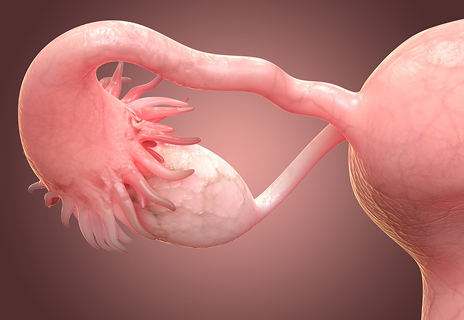
Ovarian dysfunction occurs when the ovaries stop functioning normally. Ovulatory dysfunction is a term that describes a group of disorders in which ovulation fails to occur, or occurs on an infrequent or irregular basis. Anovulation (no ovulation) is a disorder in which eggs do not develop properly, or are not released from the follicles of the ovaries.
The most common cause of ovulatory dysfunction is polycystic ovarian syndrome (PCOS). Other potential causes of irregular or absent ovulation are obesity, excessively low body weight, extreme exercise, hyperprolactinemia, premature ovarian failure, advanced maternal age, thyroid dysfunction, and stress.
Treatment for primary ovarian insufficiency usually focuses on the problems that arise from estrogen deficiency. Your doctor might recommend estrogen therapy, which can help prevent osteoporosis as well as relieve hot flashes and other symptoms of estrogen deficiency.
If you are experiencing these symptoms, specialized endocrine evaluation is the first step toward balance.

At Endocrine Specialists of Georgia, we understand that ovarian dysfunction is not just a medical condition, but a factor that deeply affects your quality of life, fertility, and long-term health. Led by Dr. Francisco Puentes, our approach focuses on identifying the root cause of the imbalance to restore your body’s natural harmony.
A precise diagnosis is the foundation of effective treatment. During your consultation, we perform a comprehensive evaluation that may include:
Take Control of Your Hormonal Health. Early intervention can prevent long-term complications like bone loss or cardiovascular issues.
Yes. Without regular ovulation, pregnancy becomes difficult or impossible without medical support. The good news is that many forms of ovarian dysfunction — especially PCOS — respond very well to treatment. Weight management, medications, ovulation-inducing therapies, and lifestyle changes can restore cycles and fertility in most patients.
No. Premature ovarian insufficiency (sometimes called early menopause) is one type of ovarian dysfunction, but not the only one. It involves loss of ovarian function before age 40. Other forms of dysfunction, such as PCOS or hyperprolactinemia, can occur at any stage of reproductive life and often respond to specific treatments without implying early menopause.
PCOS is the most common cause of ovulatory dysfunction in women of reproductive age. It involves a combination of irregular cycles, clinical or biochemical signs of hormonal imbalance (such as acne, excess hair growth, or hair loss), and — in many patients — insulin resistance. Comprehensive treatment includes hormonal, metabolic, and lifestyle management.
Don’t leave your health to chance. Contact our Atlanta office for a professional consultation.
