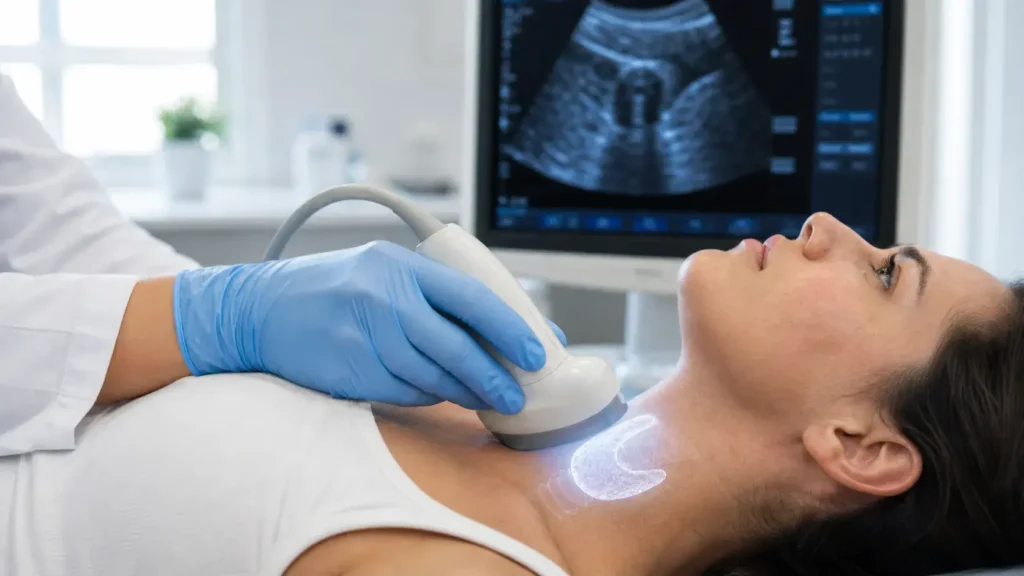
A thyroid exam consists of a series of blood tests used to measure how well your thyroid gland is functioning. The standard panel includes Free T3, Free T4, and TSH (thyroid-stimulating hormone).
Today’s tests are highly accurate and can help diagnose even the mildest cases of hypothyroidism. However, it is important to understand that a normal TSH alone does not rule out a thyroid problem. That is why, in many cases, additional markers are evaluated to reach a complete diagnosis — including the free thyroxine, Free T4 index, Free T3, as well as TPO, TSI, and thyroglobulin (TG) antibodies.
Certain situations require specialized interpretation by an endocrinologist, since the optimal TSH range varies depending on clinical context. These include pregnancy, a history of thyroid cancer, a history of pituitary gland disease, and older age.
Weight changes are one of the most common reasons patients seek a thyroid evaluation: unexplained weight gain may signal low thyroid hormone levels (hypothyroidism), while unexpected weight loss may indicate hyperthyroidism — a condition in which the thyroid produces more hormones than the body needs. Hypothyroidism is far more common than hyperthyroidism
If you identify with any of these symptoms, a complete thyroid exam is the first step toward answers.
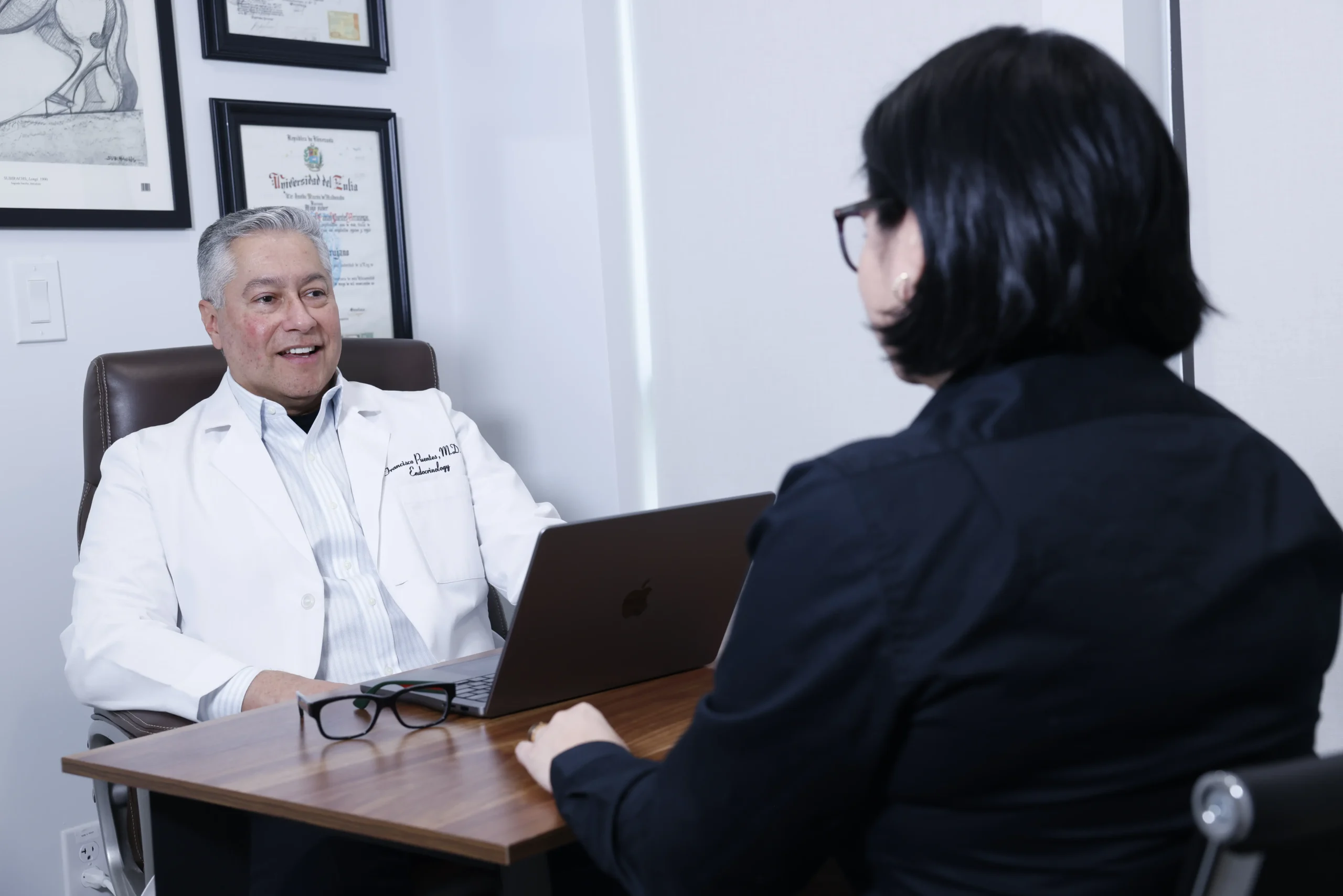
At Endocrine Specialists of Georgia we understand that a thyroid exam is not just about receiving numbers on a lab report — it is about interpreting those numbers within the full context of your health. Led by Dr. Francisco Puentes, Board Certified in Endocrinology, Diabetes & Metabolism, our approach ensures that no subtle sign goes unnoticed.
A precise thyroid evaluation is the foundation of effective treatment. During your consultation, we perform a comprehensive assessment that may include:
Take control of your thyroid health. An accurate diagnosis and expert interpretation make the difference between feeling “off” and feeling like yourself again.
Not necessarily. A normal TSH does not completely rule out a thyroid problem. In many cases, additional markers — such as Free T4, Free T3, and thyroid antibodies — are needed to detect early or subtle thyroid dysfunction that a TSH alone might miss.
Anyone experiencing persistent fatigue, unexplained weight changes, mood changes, hair loss, or the other symptoms listed above. A thyroid exam is also recommended for women who are pregnant or planning pregnancy, patients with a family history of thyroid disease, and adults over 50 as part of routine preventive care.
Depending on the results, treatment usually follows one of three paths: medication (most common), radioactive iodine (I-131) for certain cases of hyperthyroidism, or surgery when complications or severe conditions are present. Your endocrinologist will design the best plan for your specific situation.
Don’t leave your health to chance. Contact our Atlanta office for a professional consultation.
