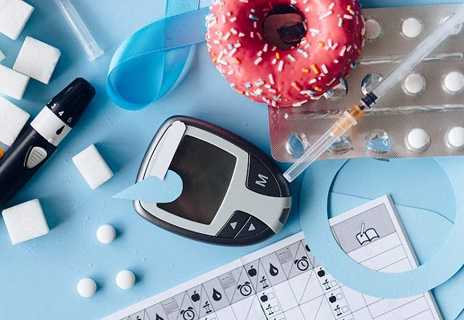
Diabetes is a disease in which your blood glucose, or blood sugar, levels are too high. Glucose comes from the foods you eat. Insulin is a hormone that helps glucose get into your cells to give them energy.
With Type 1 diabetes, your body does not make insulin. Also called insulin-dependent diabetes, it used to be called juvenile-onset diabetes because it often begins in childhood. Type 1 diabetes is an autoimmune condition — it happens when your body attacks your pancreas with antibodies, damaging the organ and preventing it from making insulin. Your genes might cause this type of diabetes, or it could happen because of problems with the cells in your pancreas that produce insulin.
Many of the health problems that come with Type 1 diabetes happen because of damage to tiny blood vessels in your eyes (diabetic retinopathy), nerves (diabetic neuropathy), and kidneys (diabetic nephropathy). Type 1 also raises your risk of heart disease and stroke.
Type 2 diabetes used to be called non-insulin-dependent or adult-onset diabetes. Despite this, it has become increasingly common in children and teens over the past 20 years, primarily because more young people are overweight or obese due to declining lifestyle choices in diet and exercise. Approximately 90% of people with diabetes have Type 2 diabetes.
When you have Type 2 diabetes, your pancreas usually creates some insulin — but either it is not enough, or your body does not use it properly due to insulin resistance. Type 2 diabetes is often milder than Type 1, but it can still cause major health complications, especially in the tiny blood vessels of your kidneys, nerves, and eyes. It also raises your risk of heart disease and stroke.
There is no cure for diabetes, but with proper treatment and lifestyle changes, you can live a long, healthy life.
If you recognize these symptoms, a specialized endocrine evaluation is the first step toward control.

At Endocrine Specialists of Georgia, we know that diabetes is more than a number on a glucometer — it is a condition that affects your energy, your family, and your future. Led by Dr. Francisco Puentes, Board Certified in Endocrinology, Diabetes & Metabolism, we design a treatment plan tailored specifically to you.
There is no cure for diabetes, but with the right treatment and lifestyle changes, you can live a long, healthy life. Our comprehensive evaluation includes:
Take control of your diabetes. With proper treatment, you can protect your kidneys, nerves, eyes, and heart — and live the life you deserve.
Type 1 diabetes is an autoimmune condition in which the body attacks the insulin-producing cells of the pancreas. It typically begins in childhood and requires insulin therapy. Type 2 diabetes occurs when the body does not use insulin properly (insulin resistance) and is closely linked to lifestyle factors such as diet, physical activity, and body weight. Approximately 90% of people with diabetes have Type 2.
In its early stages, Type 2 diabetes can sometimes be managed with lifestyle changes alone — including a healthy diet, regular exercise, and weight loss. However, many patients require medication to achieve and maintain proper blood sugar control. An endocrinologist will evaluate your specific situation and recommend the most appropriate approach for you.
You should consider an endocrinology consultation if your blood sugar remains above goal despite treatment, if you have significant fluctuations in glucose levels, if you require insulin, if you are pregnant or planning pregnancy, or if you have developed complications such as neuropathy, kidney changes, or vision problems.
Don’t leave your health to chance. Contact our Atlanta office for a professional consultation.
