
The thyroid gland is responsible for making hormones that help your body use energy, regulate temperature, and effectively control your blood pressure and heart rate. Thyroid cancer is the result of cells in the thyroid gland changing and growing out of control.
Hereditary predispositions can account for many cases of thyroid cancer. Your chances of being diagnosed with thyroid cancer are much higher if your father, brother, sister, or child has been previously diagnosed. Additionally, thyroid cancer has been linked to certain genetic or hereditary problems. Approximately 25% of Medullary Thyroid Cancer cases are genetic in nature. Other genetic abnormalities that increase the risk of thyroid cancer include Multiple Endocrine Neoplasia Type 2 (MEN2) and Cowden Disease.
The good news is that thyroid cancer is usually very treatable. There are effective treatments that give you a great chance for a full recovery — especially when detected early.
If you have a lump on your neck or a family history of thyroid cancer, an early evaluation can make all the difference.
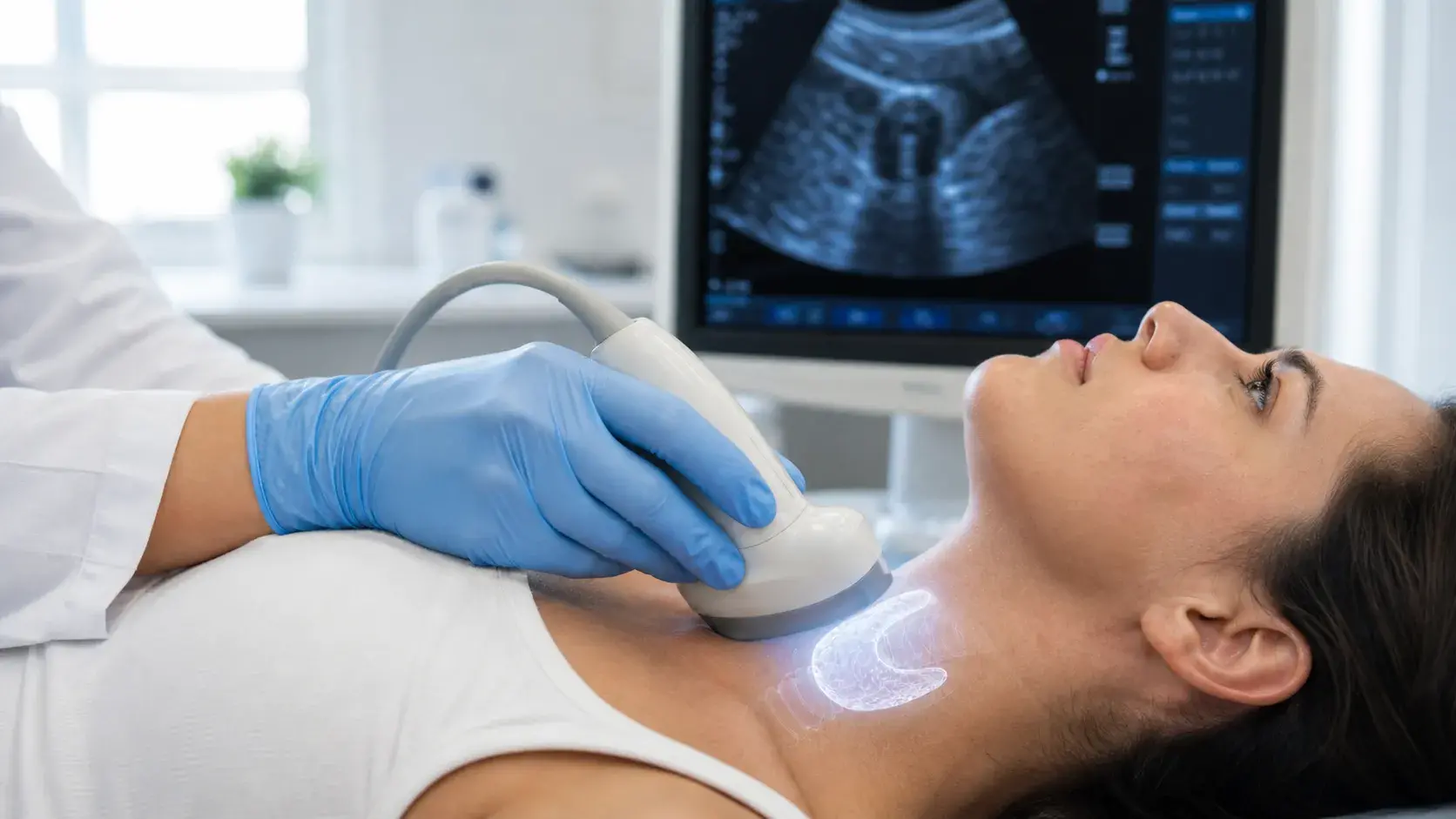
At Endocrine Specialists of Georgia, we understand that a thyroid cancer diagnosis — or even the suspicion of one — is a deeply personal and concerning moment. Led by Dr. Francisco Puentes, Board Certified in Endocrinology, Diabetes & Metabolism, our approach focuses on accurate diagnosis, personalized treatment planning, and compassionate long-term care.
There are many ways to treat thyroid cancer. The treatment that you and your doctor decide on will depend on the type and stage of the cancer, your age, your general health, and your individual response to treatment. Our comprehensive approach includes:
Thyroid cancer is usually very treatable. Early detection and expert care give you the best possible chance for a full recovery.
No. The vast majority of thyroid nodules are benign. However, all nodules require proper evaluation by a specialist to determine their nature. A thorough assessment — including imaging and, when necessary, a biopsy — is the only reliable way to know whether a nodule poses a cancer risk.
Treatment depends on the type and stage of the cancer, as well as your age and overall health. The most common options include surgery (partial or total thyroidectomy), radioactive iodine ablation (I-131), and in some cases, additional therapies. If the cancer has spread to surrounding tissue or lymph nodes in the neck, those areas may also need to be treated. Your endocrinologist will work with you to determine the best path forward.
In some cases, yes. Approximately 25% of Medullary Thyroid Cancer cases have a genetic origin. Certain inherited conditions — such as Multiple Endocrine Neoplasia Type 2 (MEN2) and Cowden Disease — significantly increase the risk of developing thyroid cancer. If you have a family history of thyroid cancer, a specialized evaluation is strongly recommended.
Don’t leave your health to chance. Contact our Atlanta office for a professional consultation.
